

The Strength Routine Your Bones Notice
Bones do not hear pep talks. They notice load, repetition, and the quiet pull of muscle doing real work.
A useful bone-health routine is not just a supplement shelf. It is a weekly pattern: lift something, recover, get enough protein, and make the daily nutrient step easy enough to repeat.
Key Takeaways
- Bones respond to mechanical signals. Muscles pull, joints stabilize, and the body notices repeated work more clearly than good intentions.
- The routine can be ordinary. Step-ups, carries, bands, sit-to-stands, and light dumbbells count when they are progressive and repeatable.
- Creatine + NEM® Mobility Gummies fit the muscle side of the plan because creatine monohydrate supports muscle performance during strength routines.
- Vitamin D3 Gummy fits the bone-wellness side because vitamin D3 supports calcium absorption and normal bone mineralization.
What Kind of Strength Work Do Bones Notice?
For a practical guide to protein after 50, start with a daily range and spread it across meals.
The best routine is not the most dramatic one. It is the one that gives the body a clear signal often enough to matter.
- Weight-bearing work gives context. Stairs, carries, squats, and step-ups ask the body to manage force through the legs and trunk.
- Resistance adds a second signal. Bands, dumbbells, machines, or bodyweight work ask muscles to pull with intent.
- Progression matters more than theatrics. A slightly heavier carry, one more controlled rep, or a steadier step can be more useful than a complicated workout that never repeats.
A bone-health routine starts to make sense when strength work becomes a standing appointment, not a burst of motivation.
Definition: mechanical loading. Mechanical loading is the physical signal created when muscles and gravity place force through bone. It is one reason strength training belongs in the bone-wellness conversation.
Does Creatine Help the Strength Routine?
Creatine is usually discussed like a gym product. The better framing is simpler: repeated effort has a fuel system.
- Creatine helps replenish phosphocreatine. That system supports short, repeated bursts of muscle work.
- Research is strongest beside resistance training. A 2021 meta-analysis in older women found creatine paired with resistance training improved strength and muscle-mass measures more than training alone.
- The work still matters. The supplement is there to support the routine, not replace the signal.
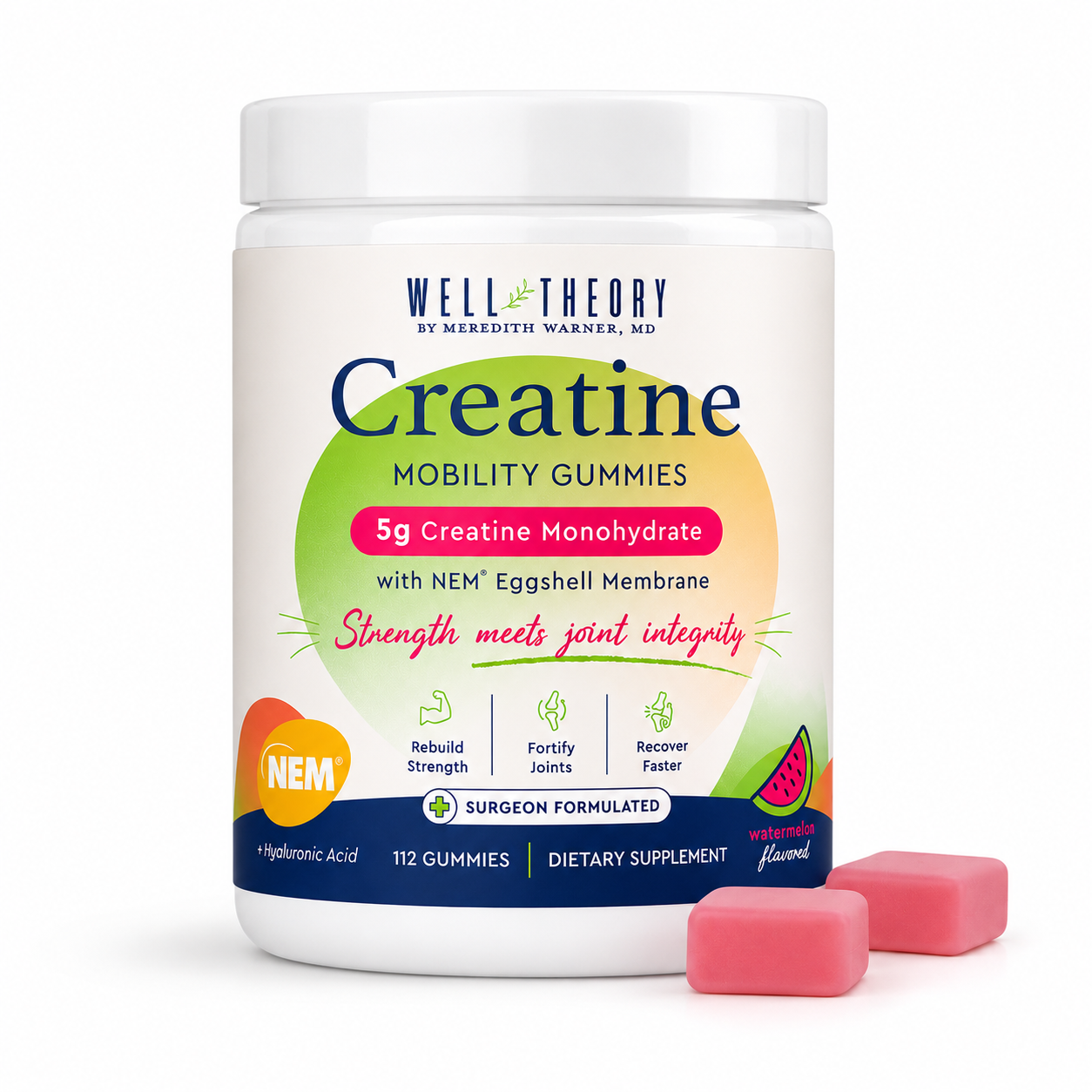
Creatine + NEM® Mobility Gummies are the main product fit here: creatine monohydrate for muscle-performance support, plus NEM® for joint-comfort support.
Why Do Protein, Recovery, and Consistency Matter?
Strength work is a message. The rest of the routine helps decide whether the message is easy to repeat.
- Protein supplies the raw material. Muscle routines ask for amino acids, especially when meals get smaller or schedules get uneven.
- Recovery keeps the appointment possible. A plan that leaves people dragging for three days will not stay on the calendar.
- Consistency beats the heroic week. Bones and muscles get a clearer signal from repeated practice than from one dramatic Saturday.
The body trusts repetition more than ambition.
Where Does Vitamin D3 Fit?
Vitamin D3 is not the workout. It is one of the background nutrients that helps the bone-wellness routine make sense.
- It supports calcium absorption. NIH describes vitamin D3 as important for calcium absorption and normal bone mineralization.
- It does not replace load. The daily nutrient step and the weekly strength signal belong together.
- The format should reduce friction. A gummy beside an existing routine is less impressive than a complicated protocol, but it is more likely to happen.
Vitamin D3 Gummy keeps that background step simple for people building a bone-wellness routine.

What Should a Beginner Routine Include?
The useful version is boring on purpose. It has fewer moving parts, which means fewer places to quit.
- One lower-body pattern. Step-ups, chair stands, or squats teach the body to produce force through the legs.
- One carry or pull. A farmer carry, row, or band pull asks the trunk and upper body to join the conversation.
- One balance moment. Slow step-downs, heel raises, or controlled marching keep the routine practical.
- One daily anchor. Put the supplement step near coffee, breakfast, or the toothbrush. Memory is not a strategy.
The best plan is the one that has a place to live in the week.
The Bottom Line
The strength routine bones notice is not a punishment plan. It is a practical weekly signal.
- Load is the message. Muscles pulling on bone are part of the normal bone-health conversation.
- Creatine supports the effort. Repeated sets, carries, and stairs all use short-burst muscle work.
- Vitamin D3 supports the background. Calcium absorption and normal bone mineralization belong beside strength work, not instead of it.
- Routine is the conversion event. The body notices what shows up again.
For the companion frame, read Strong Is the New Thin.
FAQ
What is a strength routine bones notice?
A strength routine bones notice is one that repeats load in safe, progressive ways: step-ups, carries, squats, rows, bands, or similar work that asks muscles to pull and stabilize.
How often should strength work show up in a bone-health routine?
Many adults use two or three weekly strength sessions as a realistic starting pattern, then adjust with a qualified professional when medical history, balance, or medications make that necessary.
Where does creatine monohydrate fit in a strength routine?
Creatine monohydrate supports short bursts of muscle work, which makes it a logical partner for repeated sets, stairs, carries, and resistance training.
Where does vitamin D3 fit in bone wellness?
Vitamin D3 supports calcium absorption and normal bone mineralization. It belongs in the background routine, not as a replacement for lifting, protein, or medical guidance.
Sources
- Efficacy of Creatine Supplementation Combined with Resistance Training on Muscle Strength and Muscle Mass in Older Females: A Systematic Review and Meta-Analysis.
- Effects of creatine supplementation with and without exercise and diet intervention on body composition, cognitive function, and markers of health in middle-aged and older adults.
- NIH Office of Dietary Supplements: vitamin D3 fact sheet for health professionals
- The Well Theory Creatine + NEM® Mobility Gummies product page
- The Well Theory D3 gummy product page
