

Warning Signs of Free Radical Stress Affecting Your Cells
That afternoon slump that lands harder than it used to. The fine line that stays after a late night. Skin that looks duller, recovery that takes longer. These everyday experiences have a biological name: oxidative stress, the cellular imbalance that happens when free radicals outnumber the antioxidants that keep them in check.
Key Takeaways
- Free radicals are unstable molecules that form naturally during metabolism and from environmental exposure; when they accumulate, they create oxidative stress that affects how cells function.
- Skin changes, afternoon fatigue, slower recovery, and brain fog are among the everyday signs research associates with oxidative load.
- The body’s own antioxidant defenses include enzymes like superoxide dismutase (SOD) and glutathione, plus dietary compounds called polyphenols. Alpha-lipoic acid is one of the better-known ones, and our alpha-lipoic acid guide explains how it recycles other antioxidants.
- Colorful produce, quality sleep, and regular movement are the first-line levers; targeted supplements can fill gaps when habits are already in place. Timing matters too, as we explain in when to take antioxidant supplements.
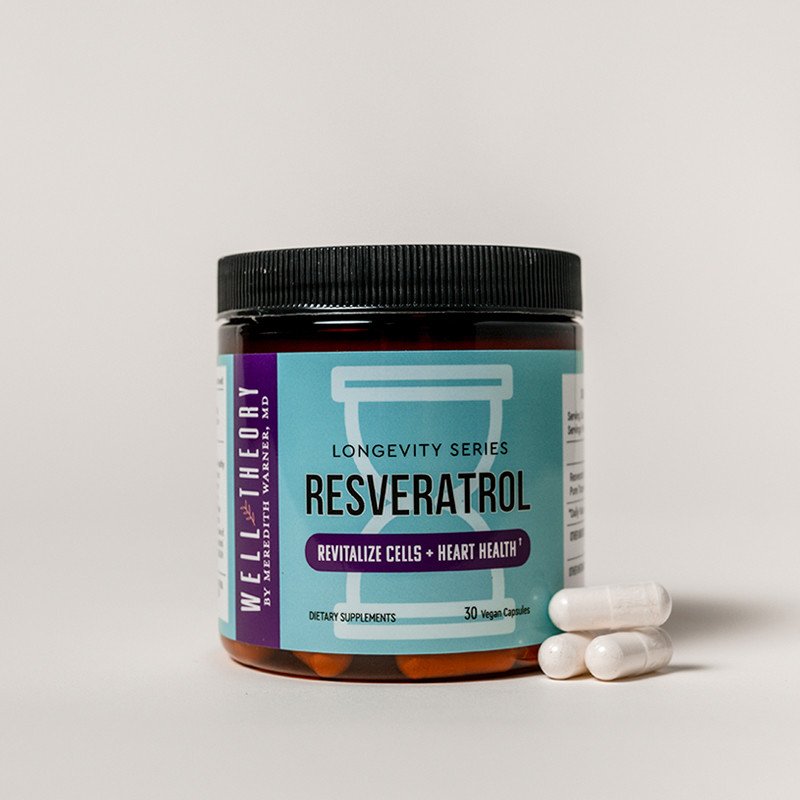
- Resveratrol is a polyphenol studied for its role in cellular defense and heart health support.
What free radicals are and why they matter
A free radical is a molecule that lost an electron and now tries to steal one from whatever it bumps into. That theft damages cell membranes, proteins, and DNA. The process is normal at low levels. Mitochondria produce free radicals as a byproduct of turning food into energy. Immune cells use them to neutralize pathogens. Problems start when production outpaces the system that neutralizes them.
That gap is oxidative stress. Research links sustained oxidative load to changes in how skin looks, how energy feels across a day, and how quickly the body recovers after ordinary activity.
Everyday signs research associates with oxidative load
Oxidative stress does not announce itself with a single symptom. But research has identified several signals that tend to cluster when antioxidant defenses are running low.
- Skin that looks tired or shows fine lines. Skin cells are especially vulnerable to oxidative stress because of constant UV exposure. Studies show accumulated oxidative damage contributes to visible changes in collagen structure, elasticity, and skin tone. The face is often the first place people notice the change.
- Afternoon energy that caves before the day is done. Mitochondrial function declines under oxidative pressure. When mitochondria struggle to produce ATP efficiently, energy flags mid-afternoon and the usual strategies stop working as well.
- Recovery that takes longer after ordinary movement. A normal walk or light yard work leaves an echo that lasts into the next day. Oxidative stress delays the cellular repair cycle, so muscles and connective tissue stay louder longer than they used to.
- Brain fog and trouble focusing. The brain consumes roughly 20 percent of the body’s oxygen and has limited antioxidant defenses. Oxidative load in neural tissue is linked to mental fatigue, slower processing, and difficulty concentrating.
How the body defends itself
The human body runs three primary lines of antioxidant defense, and they work as a coordinated team.
- Superoxide dismutase (SOD). This enzyme converts the superoxide radical into hydrogen peroxide, a less reactive molecule that other enzymes can handle. It is the first responder in the antioxidant chain.
- Glutathione. Often called the master antioxidant, glutathione works inside every cell to neutralize a wide range of free radicals and help regenerate other antioxidants like vitamins C and E.
- Dietary polyphenols. Plant compounds such as resveratrol, quercetin, and anthocyanins provide outside support. They donate electrons to stabilize free radicals and also activate the body’s own antioxidant enzyme systems through pathways like Nrf2.
These systems do not operate in isolation. Sleep deprivation, poor nutrition, chronic stress, and environmental toxins all drain the same pool. Supporting one line helps all three.
Key number: The body’s natural antioxidant enzyme production declines roughly 30 to 40 percent between young adulthood and age 65, which is one reason oxidative load tends to increase with age.
Why Resveratrol fits here
Resveratrol is a naturally occurring polyphenol found in grapes, berries, and Japanese knotweed. It has been studied for its role in supporting cellular antioxidant defenses and promoting healthy heart function. Rather than scavenging free radicals directly, resveratrol works partly by activating the Nrf2 pathway, which signals the body to ramp up its own antioxidant enzyme production.
A targeted resveratrol supplement belongs alongside a produce-rich diet and consistent sleep, not instead of them. One well-chosen formula can support the cellular environment those habits are already building.
Lifestyle levers that support antioxidant balance
Supplements work best when the foundation is solid. These everyday habits directly affect oxidative load.
- Eat across the color spectrum. Deeply pigmented fruits and vegetables deliver the widest variety of polyphenols. Berries, dark leafy greens, beets, purple cabbage, and olive oil are practical choices that do not require a specialty grocery run.
- Prioritize sleep timing over sleep length. The body does most of its cellular repair work during deep sleep cycles. A consistent bedtime matters more than an extra hour of variable sleep.
- Move every day without maxing out. Moderate movement upregulates antioxidant enzymes. Overtraining produces its own oxidative stress. The sweet spot is a walk, a light bike ride, or mobility work that leaves energy for the rest of the day.
- Manage the visible sources. Sun exposure, alcohol, smoking, and air pollution are all established contributors to oxidative load. Reducing any one of them shifts the balance.
Small, daily habits done consistently over weeks and months shift the balance more effectively than any single intervention.
The Bottom Line
Free radicals are a normal part of metabolism. The problem is not their existence; it is the imbalance that forms when production consistently exceeds the body’s ability to neutralize them. Skin changes, afternoon fatigue, slower recovery, and brain fog are the everyday signs that this gap may be widening. The first step is always the foundation: colorful food, consistent sleep, regular movement. A targeted supplement like resveratrol can add another layer of antioxidant support when the baseline is already solid.
Frequently Asked Questions
What are free radicals?
Free radicals are chemically unstable molecules that form naturally during energy production and from environmental exposure. They can damage cells when they accumulate faster than the body’s antioxidant systems can neutralize them.
Can oxidative stress affect your skin?
Yes. Skin cells are especially vulnerable because UV exposure generates free radicals directly in the tissue. Research links cumulative oxidative stress to changes in collagen structure, skin elasticity, and visible fine lines.
What foods help fight oxidative stress?
Deeply pigmented fruits and vegetables berries, dark leafy greens, beets, and purple cabbage deliver polyphenols that support antioxidant defenses. Olive oil, green tea, and dark chocolate are additional sources.
What is resveratrol and what does it do?
Resveratrol is a polyphenol compound found in grapes and berries. It supports cellular antioxidant defenses partly by activating the Nrf2 pathway, which signals the body to increase its own antioxidant enzyme production.
When should I talk to a clinician?
Anyone with a medical condition, taking medication, pregnant, nursing, or considering changes to a health routine should discuss those decisions with a qualified healthcare professional.
