

How Optimism Supports Everyday Comfort and Joint Comfort
The walk after dinner is easier to keep when you expect it to be worth taking. Optimism, here, is that practical outlook: the one that gets the shoes on. Sleep and ordinary movement still do the daily work of everyday comfort and joint comfort. A steady mind makes those habits more likely to happen again tomorrow.
Key Takeaways
- The desire is everyday comfort, and staying able to move through an ordinary day.
- Optimism is a practical outlook: expecting a small routine to be worth keeping.
- Sleep and a walk after dinner are the habits that look after that comfort.
- Joint comfort is comfortable joint function while you move. Consistency matters more than a perfect week.
The day you almost skip the walk
You know the hour. Dinner is done. The chair is right there. The block outside is the same block as last night. Whether you stand up depends, more than people admit, on whether you think the walk will be worth it.
That is optimism in ordinary clothes. Not a mood you perform. A working belief that tomorrow’s joints, and tonight’s sleep, are easier to live with if the small habit stays in the day. Everyday comfort and joint comfort are what that habit is for.

How a steady outlook keeps the body moving
Joint comfort is comfortable joint function. Joints stay more available to ordinary life when they are used in ordinary ways. The mechanism is not mysterious. A walk moves the joint through the range the day already asks for. Sleep gives the body the quiet hours it uses to settle. Optimism is what makes those two things repeat.
If the outlook says the walk is pointless, the walk disappears. If the outlook says a short loop still counts, the shoes go on. Over a week, that is the difference between movement that stays in the life and movement that becomes a rare event. Everyday comfort follows the thing you actually did, not the plan you admired.
Sleep is the quiet half of the habit
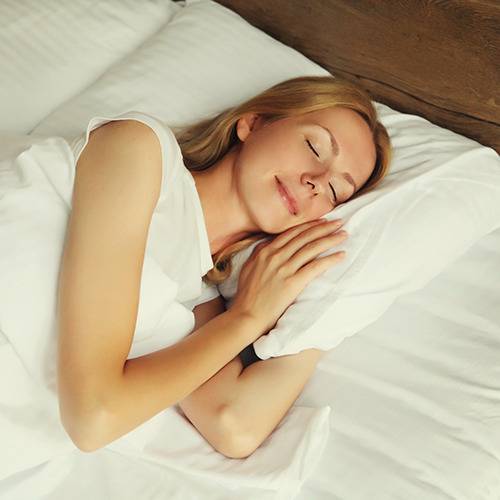
A steadier outlook makes it easier to protect a bedtime. You turn the lamp off because you expect tomorrow to be usable. Sleep is part of everyday comfort. It is also part of how the next day’s first steps feel: the joint comfort of a body that actually rested.
Ordinary movement is the other half
Joint comfort shows up in the movements you already do: a walk after dinner, the stairs at home, standing to wash a dish. A stretch beside the bed counts. A usual chore counts. The point is staying able to move, not collecting a workout.

Who this is for
This is for the person who wants to keep moving through ordinary days, and who has noticed that mindset decides whether the walk happens. If you already care about everyday comfort and joint comfort, you do not need a new personality. You need a next step you believe is worth taking.
A hopeful week is not a dramatic week. It is several evenings in a row when the loop around the block still happened, and the light still went out at a decent hour.
The Bottom Line
You already want to stay able to move, and you already want the day to feel more comfortable. Optimism is the outlook that makes a walk after dinner and a regular bedtime more likely to repeat. Those habits are how everyday comfort and joint comfort get looked after. Start with tonight’s short loop. Let the next one be the same size.
Frequently Asked Questions
What does optimism mean here?
A practical outlook. You expect a small routine (a walk, a bedtime) to be worth keeping. That belief is what gets the shoes on.
How does outlook connect to joint comfort?
Joint comfort is comfortable joint function during ordinary movement. The walk only happens if you think it is worth taking. A steady outlook makes that movement more consistent, and consistency is what looks after comfortable joints in daily life.
What habits actually do the work?
Sleep and ordinary movement. A walk after dinner and a protected bedtime are the pair described here. Everyday comfort follows the habits you repeat.
How long should the walk be?
Short enough that you will do it again tomorrow. The point is staying able to move, not finishing a program. The same loop, kept, matters more than a longer one you abandon.
Where do PEA Gummies fit?
PEA Gummies are for joint comfort. They can sit beside the walking habit if that is the formula you are looking at. The walk is still the step.
Who is this for?
People who want everyday comfort and to stay able to move, and who have noticed that the mind decides whether the evening walk happens.
