
FOOD & EVERYDAY FUNCTION
A Healthy Inflammatory Response: Food & Daily Habits
Why the body's natural response needs a beginning and an end, plus practical ways to build a varied plate and a balanced routine.
An educational guide from The Well Theory
Tart cherries in oatmeal. Ginger in a vegetable stir-fry. Lentils with olive oil and fresh parsley. Familiar foods provide a useful starting point for understanding nutrition and a healthy inflammatory response. The important questions are what the body needs, what each food contributes, and what the evidence actually shows.
When a response keeps going, the return to normal can be disrupted
Early signals help bring immune cells to the area where they are needed. Later, other signals limit further recruitment, and cells called macrophages help clear cells that have completed their work. This coordinated sequence is part of returning the tissue to its usual working state. [1]
When that wind-down does not happen appropriately, immune activity can continue instead of giving way to normal tissue function. That explains why the timing and regulation of a response matter. It does not mean that a particular feeling, or a less-than-perfect meal, reveals an uncontrolled response.
The useful distinction: starting a response and completing a response are separate jobs. Healthy balance involves both.
Tart cherries and other fruits bring different plant compounds
Tart and sweet cherries contain polyphenols, including anthocyanins. These naturally occurring plant compounds are one reason cherries have attracted research interest. Studies have used different cherry varieties, preparations, quantities, and populations, so their findings do not establish a single result from an ordinary serving of tart cherries. [2]
Other useful choices include blueberries, blackberries, strawberries, oranges, and kiwi. Strawberries, citrus, and kiwi provide vitamin C, which contributes to normal immune function and acts as an antioxidant. [3] Different fruits offer variety; they are not interchangeable doses of one active compound.
At the table: unsweetened frozen tart cherries can be warmed into oatmeal. Berries can top plain yogurt, while sliced orange or kiwi can accompany a meal.
Turmeric, ginger, and herbs make everyday meals more interesting
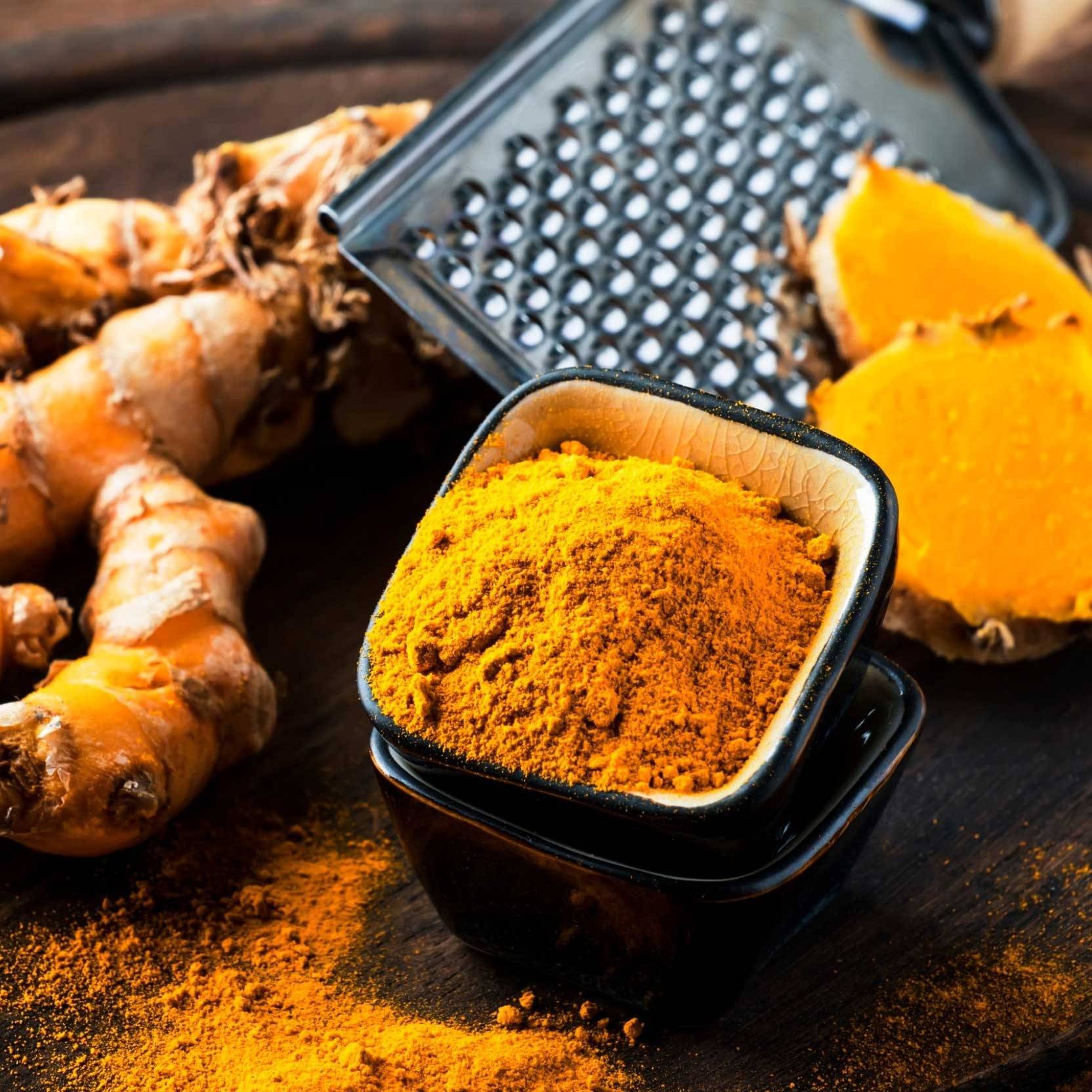
Turmeric contains curcumin, a compound responsible for much of its yellow color. It belongs to the ginger family and has a long history as a culinary ingredient. Research does not establish that a kitchen-sized amount produces a particular health outcome. [4]
Fresh ginger adds a warm, sharp flavor. Rosemary, oregano, parsley, basil, cinnamon, and garlic provide other ways to vary familiar meals. Their most practical role here is helping make a varied eating pattern enjoyable enough to repeat, without assigning every seasoning a promised effect on the body's response.
- Turmeric and ginger: stirred into lentils, vegetable soup, or rice.
- Rosemary and oregano: added to roasted vegetables or white beans.
- Parsley, basil, and garlic: mixed into a simple olive-oil dressing.
- Cinnamon: sprinkled over oatmeal or baked fruit.
Vegetables, beans, and whole grains give the plate substance
Spinach, kale, broccoli, peppers, lentils, chickpeas, oats, and barley expand the variety beyond fruit and seasonings. Broccoli and peppers contribute vitamin C. Beans, vegetables, and whole grains also supply dietary fiber. [3] [5]
Fiber has a concrete digestive role: some forms absorb water and form a gel, while others add bulk and help material move through the digestive tract. A gradual increase is generally more comfortable than adding several large servings at once. [5]
A practical combination: a chickpea bowl with barley, chopped peppers, and greens includes several food groups. Lemon, parsley, and olive oil add flavor.
Nuts, seeds, and olive oil add another part of the pattern
Walnuts, chia seeds, and flaxseed provide ALA, an essential omega-3 fat that the body must obtain from food. Omega-3 fats contribute to cell membranes and normal immune-system function. ALA differs from the EPA and DHA found in fish; the body converts only small amounts of ALA into those forms. [6]
Olive oil contributes a different mix of fats and is a familiar part of a Mediterranean-style eating pattern. That pattern also includes vegetables, fruits, beans, whole grains, nuts, herbs, and spices. [7]
Small additions: chopped walnuts over fruit, ground flaxseed stirred into oats, or olive oil tossed with vegetables before roasting.
Sleep and movement belong beside the food choices
Food is one part of a daily routine. Regular bedtimes and wake times, a quiet wind-down period, and a cool, dark sleeping space are practical elements of healthy sleep habits. Late-day caffeine can interfere with sleep even when the evening meal is well planned. [8]
General adult activity guidance includes at least 150 minutes of moderate-intensity movement each week and strengthening on two days. Smaller sessions can contribute to the weekly total, with the starting point adapted to the person's abilities. [9]
A manageable walking route, scheduled strength work, and a consistent sleep window give these general recommendations a place in ordinary life.
A repeatable menu connects the ideas
A useful starting point is one familiar meal with a few thoughtful additions. The following combinations illustrate variety, rather than a prescribed menu:
- Breakfast: oatmeal with tart cherries, chopped walnuts, and cinnamon.
- Lunch: lentils with greens, peppers, olive oil, and parsley.
- Dinner: vegetables and chickpeas seasoned with turmeric, ginger, and garlic, served with a whole grain.
- Another fruit option: berries, orange segments, or kiwi alongside a meal.
The value lies in a varied pattern that fits the person's preferences, budget, and nutritional needs. These examples are not evidence that a particular meal changes response signaling or guarantees a change in comfort.
THE EVIDENCE
Sources & editorial notes
Research on normal physiology explains the process. Food-composition references explain what foods contain. Neither establishes a guaranteed result from a particular meal.
- Research on how an immune response resolvesOrtega-Gomez, Perretti and Soehnlein. EMBO Molecular Medicine, 2013. Abstract and figure descriptions consulted for normal resolution physiology.
- Review of cherry composition and human researchKelley, Adkins and Laugero. Nutrients, 2018. USDA research summary; varieties and preparations differ across studies.
- Vitamin C: food sources and normal functionNIH. Food-source and nutrient-function sections.
- Turmeric: culinary background and evidence limitsNCCIH, NIH; April 2025. Background and limits of conclusions about health effects.
- Dietary fiber: food sources and digestive functionMedlinePlus Medical Encyclopedia; reviewed July 2024. Normal digestion and gradual dietary changes.
- Omega-3 fats: food sources and normal cellular rolesNIH; July 2022. ALA, EPA, DHA, and the distinction between food sources.
- Foods in a Mediterranean-style eating patternHarvard T.H. Chan School of Public Health; reviewed April 2023. Food-pattern description only.
- Healthy sleep habitsNHLBI, NIH; March 2022. Schedule, environment, and caffeine guidance.
- Adult physical activity recommendationsCDC; December 2023. General activity and strengthening guidance.
About this article
The Well Theory publishes this educational guide and also sells wellness products. This article discusses normal physiology, ordinary foods, and general lifestyle habits. It does not recommend a commercial product or provide an individual care plan.
Food choices and activity should fit individual needs, food allergies, and any professional guidance. Persistent concerns about comfort or everyday function deserve individual attention from a qualified healthcare professional.